Haitian talent. Solar energy. Lasting opportunity.Churches · Haiti NGOs · Rotary clubs

DONATE EQUIPMENT / CREATE OPPORTUNITY

Your equipment.
Its next chapter.

A panel in storage. A laptop on a shelf. A tool you no longer use. In Haiti, useful equipment can become the beginning of something much bigger.

Offer equipment
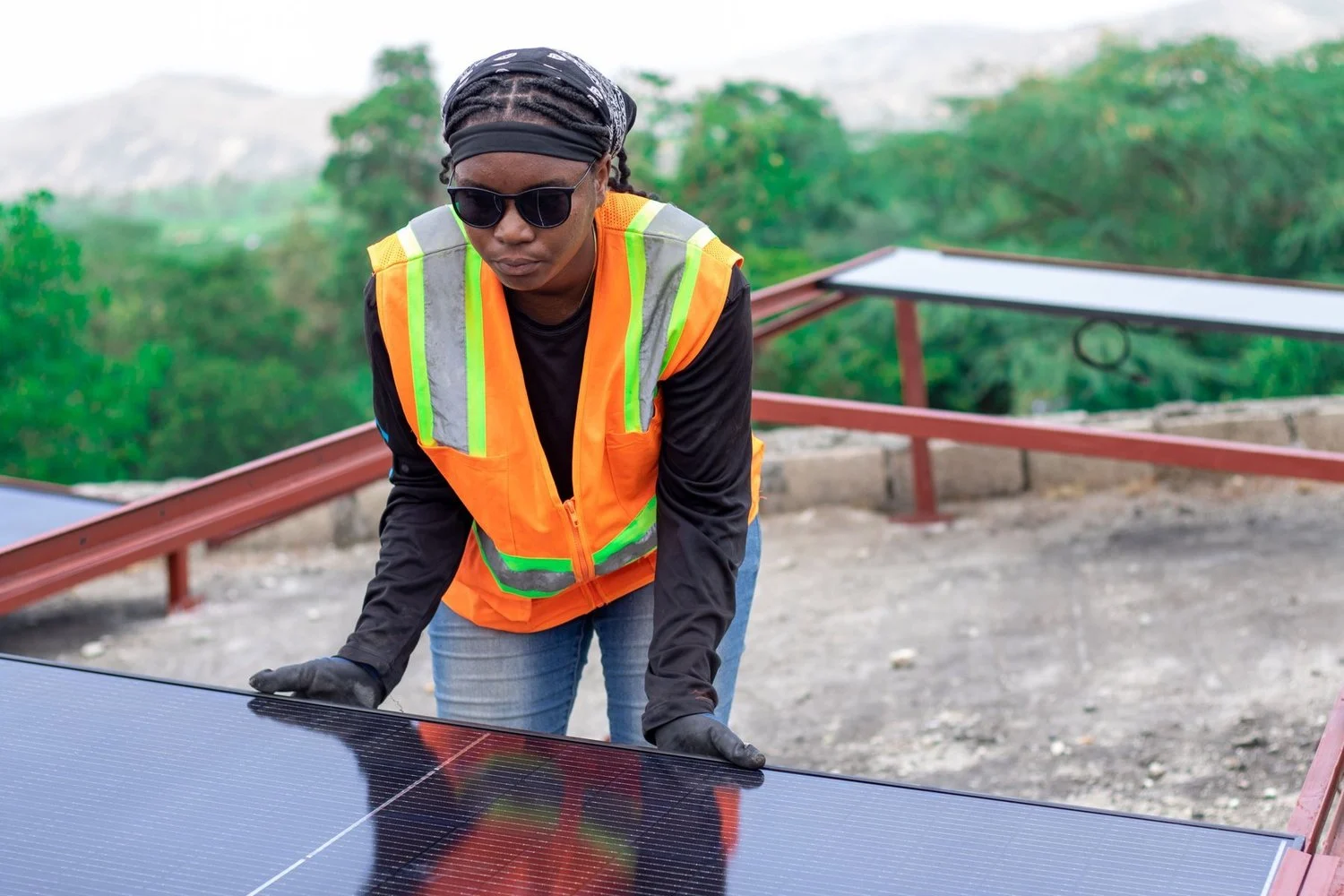
A Brighten Haiti team member positioning a solar module during installation

FROM SURPLUS TO POSSIBILITY

It still has work to do.
Let’s put it to work.

Donating useful equipment can make economic sense and create lasting human impact.

Free up space, give suitable equipment a productive second life, and explore a potential charitable tax deduction. Brighten Haiti reviews most types of solar equipment and technology for use in off-grid projects, training, and connected learning.

New, surplus, and suitable used equipment are welcome for review. Every offer starts with a conversation about condition, compatibility, and getting it where it can help.

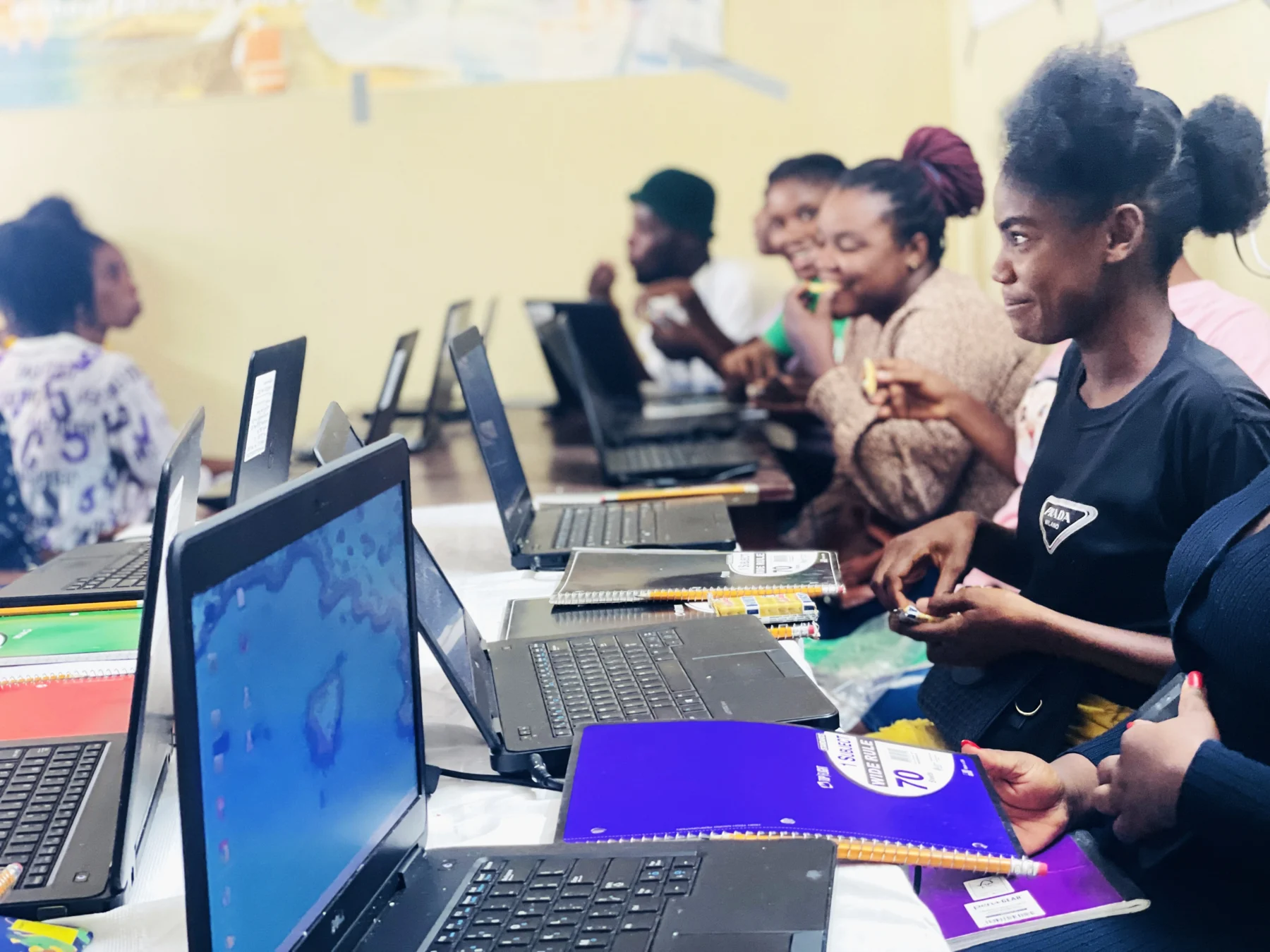
Students learning on laptop computers at Gadsaline

THE STORY DOESN’T END AT THE WAREHOUSE

Picture what happens
after the donation.

A usable solar panel leaves a warehouse. A Haitian apprentice learns to test and install equipment. A school gains power for lights, fans, and computers. A student opens a laptop and begins exploring a world that once felt out of reach.

This is the path a suitable donation can help make possible. It takes a complete system, transportation, installation, and training. Your contribution can become an essential part of that larger effort.

Our photographs show the real work: Haitian professionals building systems and students using the tools that electricity makes possible.

See the work behind the possibility

A SECOND LIFE. A PRACTICAL BUSINESS DECISION.

Compare the cost.
Consider the opportunity.

For serviceable panels, reuse may offer a meaningful alternative to paying for recycling.

RECYCLING COST EXAMPLE
$25–$30per panel

At this illustrative rate, recycling 100 panels would cost $2,500–$3,000, before any additional transport charges.

Actual quotes vary by location, condition, volume, and recycler. This example is not a national average. The U.S. Department of Energy’s 2023 action plan reported a broader range of $15–$45 per module, excluding transport.

Read the DOE report
THE DONATION OPPORTUNITY

Potential tax benefits.
Real-world purpose.

Brighten Haiti is a U.S. 501(c)(3) nonprofit, EIN 85-1154810. Eligible equipment donations may qualify for a charitable tax deduction, while putting usable assets to work.

Compare your actual recycling quote with the costs of preparing and transporting a donation and any tax benefit available to you. A tax deduction reduces taxable income; it is not a dollar-for-dollar tax credit.

Deductibility and value depend on your circumstances and IRS rules. Business inventory and depreciated equipment can have different limits. Your tax adviser determines eligibility, valuation, and any appraisal or filing requirements. Brighten Haiti does not assign your deduction value.

IRS guidance on donated property

WHAT YOU CAN CONTRIBUTE

Solar equipment.
Technology. Practical tools.

We can consider most solar equipment and useful technology. Acceptance depends on condition, compatibility, and project needs.

01 / GENERATE & STORE

Modules and batteries

New, surplus, and suitable used solar modules, solar charge controllers, portable power stations, and compatible batteries with usable capacity and safe condition.

02 / BUILD & MAINTAIN

Off-grid equipment and tools

Off-grid or suitable hybrid inverters, racking, wire, connectors, breakers, protection equipment, installation tools, test instruments, and safety gear.

03 / CONNECT & LEARN

Technology for opportunity

Working laptops, computers, networking equipment, projectors, and other useful technology for learning, training, communications, and business.

IMPORTANT / INVERTER COMPATIBILITY

We cannot use grid-tied-only inverters.

Our off-grid projects have no reliable utility grid to connect to. A standard grid-tied inverter requires a grid reference and cannot power these sites on its own. Please offer off-grid equipment or send hybrid-inverter specifications so we can confirm standalone operation and compatibility.

Please do not ship damaged, unsafe, or nonfunctional equipment without prior discussion. For used panels, include any available test results and photos. For batteries, include chemistry, age, capacity, and condition. For computers, securely erase personal and company data before transfer.

YOUR DONATION CAN GO FURTHER

More than equipment.

01

Power essential work.

Help complete systems for schools, clinics, water projects, and community facilities. Useful equipment can help stretch project funding further.

02

Build Haitian expertise.

Give apprentices access to the components, tools, and test equipment they need to learn, install, troubleshoot, and maintain systems.

03

Open new opportunities.

Support connected classrooms and practical services, including the portable solar and business training behind Solar4All.

No donation value or shipment is agreed by submitting an offer. We use your details to respond. Privacy details.

BEFORE YOU DONATE

A few practical answers.

Can you accept used panels?

Yes, suitable used modules can be considered through Solar ReUSE. Share quantities, manufacturer and model, age, condition, photos, and any available test data. We review each offer before acceptance.

Can you accept any inverter?

No. We cannot use grid-tied-only inverters for our off-grid projects. Off-grid and hybrid models must be reviewed for standalone operation, battery compatibility, voltage, frequency, and system requirements.

Will every donation receive a tax deduction?

Not necessarily. Eligible gifts to a qualified nonprofit may be deductible, subject to the donor’s tax situation and applicable rules. Consult your tax adviser before assigning a value or relying on a deduction. Inventory, fully depreciated assets, and other property may be treated differently.

Who pays for shipping?

Transport, packing, and handling responsibilities are discussed for each donation. Please tell us whether you can assist with freight or delivery, and wait for confirmed instructions before shipping.

What if the equipment is not suitable for reuse?

If condition, safety, compatibility, or transport costs make a donation unsuitable, we may decline it. Donation is for equipment that can serve a useful purpose; end-of-life equipment still needs an appropriate recycling route.